Wondering if Chelsea’s in-town neighborhoods can give you that small-town feel without cutting you off from daily convenience? If you want a place where you can stay close to downtown, enjoy local parks and events, and still keep Ann Arbor within reach, Chelsea deserves a closer look. The key is knowing what “in-town” really means here and how daily life tends to work in the city’s older core. Let’s dive in.
What in-town Chelsea feels like
Chelsea is a small city of about 5,424 people spread across 3.62 square miles. That smaller scale shapes everyday life in a noticeable way, especially if you are comparing it with larger nearby communities. You can feel the difference in the pace, the street layout, and how close many daily destinations are to one another.
The most accurate picture of in-town living is centered on downtown and the older neighborhoods around it. According to the city’s master plan, this part of Chelsea has a more traditional street network with shorter blocks, sidewalks, street trees, and in some areas street lamps. That layout is a big reason the historic core feels more connected and more walkable than newer edges of town.
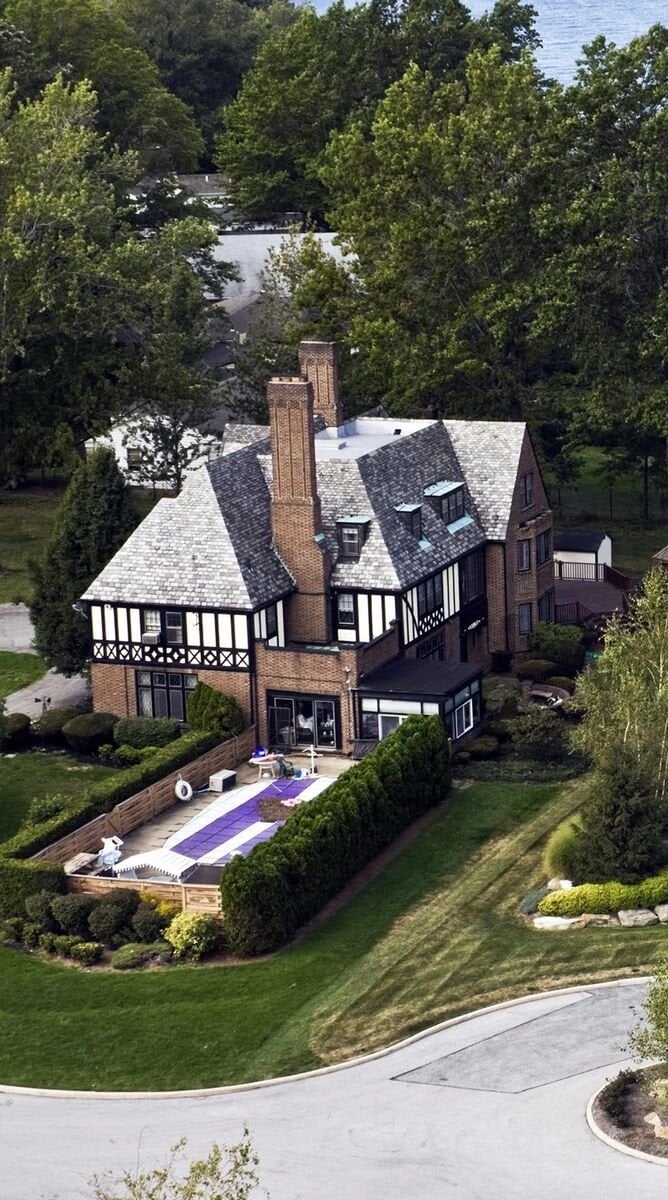
Chelsea’s historic character also shows up in the look and feel of these neighborhoods. Local history materials highlight the depot, older commercial buildings, and Victorian-era homes, which gives the in-town area a preserved small-city feel. If you are drawn to established streets and a sense of place, this is often the part of Chelsea that stands out first.
Walkability in Chelsea
Walkability is one of the biggest reasons buyers look at Chelsea’s in-town neighborhoods. If you live near the historic core, it is realistic to think in terms of walking to downtown errands, community spaces, and some local events. That is very different from saying every part of Chelsea works the same way.
The city’s master plan makes that distinction clear. Older in-town blocks tend to be more connected, while newer areas have longer blocks and more sidewalk gaps. So if walkability matters to you, the exact location within Chelsea matters a lot.
It also helps to think about walkability in practical terms. In-town Chelsea can support a more connected daily routine, but it is not a fully car-free environment. For many residents, the appeal is being able to walk for some parts of life while still using a car or transit for regional commuting and certain errands.
Parks are part of daily life
One of the strengths of living in Chelsea’s in-town neighborhoods is how close parks and civic spaces are to the historic core. Timbertown Park is about half a mile from downtown, Veterans Park sits at Main Street and Sibley Road, Pierce Park is on South Main near St. Joseph Chelsea Hospital, and Palmer Commons is at 304 South Main. That gives you several nearby options for outdoor time without needing to leave town.
These spaces are not just nice to have on a map. They help shape the rhythm of everyday life, whether you want a place to walk, spend time outside, or break up your day close to home. In a compact city, those short trips can make a big difference in how connected you feel to where you live.
There is also some useful nuance here. Chelsea’s master plan notes that parks are strong assets, but some are not perfectly connected to surrounding neighborhoods. It specifically points to the need for safer pedestrian crossings on Main Street and M-52 to better connect Veterans Park, Timbertown Park, and the north trail entry point.
Downtown events add energy
In-town Chelsea is not just about streets and houses. It is also about the recurring events and gathering places that give the area a steady sense of activity. That can be a meaningful part of daily life if you want more than just a place to sleep between commutes.
Palmer Commons is a good example. It hosts the Saturday morning farmers market and serves as one of the downtown stage locations for Sounds & Sights on Thursday Nights. Those kinds of weekly routines help create a lived-in downtown experience rather than a district that only feels active once in a while.
For many buyers, this is part of the real appeal of living close to town. You are not just near businesses and sidewalks. You are closer to the local routines, events, and public spaces that make Chelsea feel like Chelsea.
Commuting from Chelsea to Ann Arbor
A big part of Chelsea’s appeal is that it offers a small-town home base with workable access to Ann Arbor. The local chamber describes Chelsea as about 15 minutes west of Ann Arbor, and Census data shows a mean travel time to work of 24 minutes. That supports the idea that many residents live here while staying connected to a broader regional job market.
For most people, commuting will still involve driving. That said, Chelsea also has a transit option through WAVE’s Chelsea-Dexter-Ann Arbor Connector. The route serves Chelsea Downtown, Dexter, and the Meijer and AAATA transfer point, with posted weekday and weekend schedules and no reservation required for the hop-on route.
That mix can be attractive if you want flexibility. You may not need urban-style transit frequency to make Chelsea work for your lifestyle. What matters more is having a realistic option set that supports both local living and regional access.
Bike and trail access is improving
If you like the idea of biking or trail access, Chelsea offers encouraging progress with some important limits. Washtenaw County says it has led development of the Border-to-Border Trail since the late 1990s, and MDOT’s 2025 University Region plan says Chelsea and Dexter will be linked through a combination of existing park trails and new segments along rural roads, bridges, and city streets.
That is promising for long-term connectivity, but it does not mean Chelsea already has a seamless, fully protected bike route to Ann Arbor. The best way to think about it is that the trail network supports outdoor recreation and growing connections, while still being a work in progress in the Chelsea area.
For everyday living, that means trail access can be a real lifestyle plus without being the only transportation plan you rely on. If you want a blend of recreation, local access, and driving when needed, that framing is the most realistic.
Recreation goes beyond downtown
Living in-town does not mean you are limited to the historic core. One of Chelsea’s advantages is how easily you can pair small-city living with bigger outdoor destinations nearby. That balance is part of what makes this area attractive to buyers who want both convenience and breathing room.
Waterloo Recreation Area is a major example. Michigan DNR describes it as the largest state park in the Lower Peninsula, with more than 20,000 acres, 11 inland lakes, a trail system, and the Eddy Discovery Center in Chelsea. DNR trail information places Waterloo about seven miles north of Chelsea on M-52.
For buyers who value nature, that proximity matters. You can enjoy in-town routines during the week and still have quick access to larger-scale outdoor recreation nearby.
Housing and lifestyle context
Chelsea’s housing numbers help frame what kind of market this is. Census figures show a 63.0% owner-occupied rate, a median owner-occupied home value of $312,700, and a median gross rent of $1,619. Those numbers suggest a market with both homeowners and renters, shaped by local living needs and regional commuting patterns.
If you are deciding whether in-town Chelsea fits your lifestyle, it helps to think beyond price alone. The real question is often how you want your days to work. Do you want older blocks, closer access to downtown, nearby parks, and a home base that keeps Ann Arbor within reach?
That is where local guidance matters. In Chelsea, two homes can feel very different depending on whether they sit in the older in-town grid or in a newer area with longer blocks and fewer sidewalks.
Who in-town Chelsea fits best
In-town Chelsea can be a strong fit if you want a more connected daily routine in a compact community. You may appreciate being able to get downtown more easily, enjoy local events, and stay near parks and civic spaces. You may also like the character that comes with older streets and a historic setting.
It can also work well if you commute into the Ann Arbor orbit but do not want to live in a larger, faster-paced city. Chelsea gives you practical regional access while keeping a more small-town feel at home. For many buyers, that balance is the point.
The best fit tends to come from matching the right block and location to your priorities. If walkability is high on your list, focusing on the older in-town neighborhoods is usually the smartest place to start.
If you are thinking about buying or selling in Chelsea, working with someone who understands both the lifestyle side and the numbers can help you narrow your options with confidence. Lianna Naebeck offers locally grounded guidance for buyers and sellers who want a clear, practical view of what living in Chelsea is really like.
FAQs
How walkable are Chelsea’s in-town neighborhoods?
- Chelsea’s older in-town neighborhoods near the historic core are the most walkable, with shorter blocks, sidewalks, and better street connectivity than newer edges of town.
Can you commute from Chelsea to Ann Arbor?
- Yes. Many residents commute by car, and WAVE’s Chelsea-Dexter-Ann Arbor Connector also provides a fixed-route transit option between Chelsea, Dexter, and the Ann Arbor transfer point.
What parks are near Chelsea’s in-town area?
- Nearby parks and public spaces include Timbertown Park, Veterans Park, Pierce Park, and Palmer Commons, all located close to downtown or the in-town core.
Does Chelsea have a strong downtown event scene?
- Chelsea’s downtown has recurring community activity, including the Saturday morning farmers market at Palmer Commons and Sounds & Sights on Thursday Nights.
Is Chelsea bike-friendly for commuting to Ann Arbor?
- Trail connectivity is improving, but the regional network around Chelsea is still being built out, so it is better to view biking as a growing option rather than a seamless protected commute route today.
What makes Chelsea’s in-town neighborhoods different from newer areas?
- The older in-town neighborhoods generally offer a more traditional street layout, historic character, and better walkability, while newer areas tend to have longer blocks and more sidewalk gaps.